Choosing bathroom cabinets for a humid environment is not simply a matter of style. Steam, splashing water, poor ventilation, and daily cleaning can expose weak materials within months. In coastal Chinese cities, moisture may remain on cabinet edges long after a shower ends. That small detail matters.
This guide examines China’s top bathroom cabinet materials for high-moisture conditions. It compares PVC, marine plywood, stainless steel, solid wood, and moisture-resistant engineered boards. What material is best for high-moisture bathroom cabinets depends on construction quality, sealing, ventilation, and maintenance. Material labels alone cannot guarantee long-term performance.
PVC cabinets resist water effectively and suit bathrooms with frequent splashing. Stainless steel offers strong moisture resistance, although its appearance may feel colder. Marine plywood can provide a balanced structure when its edges receive proper sealing. Solid wood looks warm and premium, but it needs careful finishing and regular inspection. Even excellent materials can fail when hinges rust, joints remain exposed, or water collects beneath the sink.
Small choices matter.
The discussion also considers manufacturing experience, surface testing, edge treatment, hardware quality, and supplier reliability. A responsible buyer should request moisture-resistance details, production photos, warranty terms, and realistic maintenance guidance. Some claims sound impressive but lack useful evidence. That deserves attention.
No cabinet material is completely maintenance-free. A dry cloth, sealed countertop, open ventilation, and prompt leak repair can extend service life considerably. This article offers a practical comparison for homeowners, designers, and importers seeking dependable bathroom cabinets from China. It also recognizes an uncomfortable point: the cheapest cabinet may become the most expensive choice after repeated swelling, repairs, or replacement.
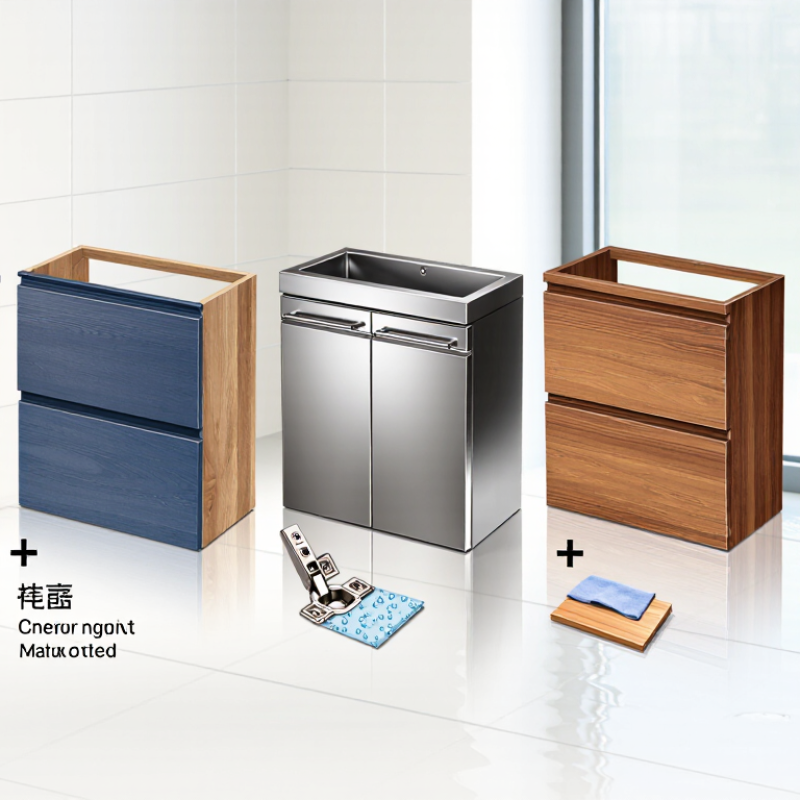
Bathroom cabinet materials for high-moisture environments must resist swelling, edge failure, and repeated condensation. In practice, sealed plywood performs better than standard particleboard. Its layered structure remains more stable when water reaches a damaged edge. However, plywood is not waterproof. I would not call any wood panel maintenance-free.
PVC foam board offers zero wood fiber and strong moisture resistance. It suits wet bathrooms, especially around splash-prone sinks. Compact laminate is another durable option, with a dense surface and low water absorption. Aluminum cabinets resist moisture well, but condensation can still affect hinges and wall connections. These details are often overlooked.
The U.S. Environmental Protection Agency recommends indoor relative humidity between 30% and 50% to limit mold growth. The CDC also advises keeping humidity no higher than 50% (EPA, Mold Course; CDC, Mold Prevention). Bathroom ventilation matters too. ASHRAE Standard 62.2 recommends 50 cubic feet per minute intermittently, or 20 cubic feet per minute continuously, for bathroom exhaust. Material choice alone cannot solve poor ventilation.
For Chinese bathroom production, specify sealed panel edges, waterproof adhesive, stainless-steel fasteners, and elevated cabinet feet. Ask for thickness, formaldehyde emissions, water-resistance testing, and hardware corrosion results. A glossy surface may hide an unprotected underside. That is a common purchasing mistake. Door gaps and sink cutouts deserve extra sealing. Repair access is useful, though it slightly reduces visual simplicity.
Comparative suitability of common bathroom cabinet materials for high-moisture environments. Scores reflect resistance to water exposure, swelling, corrosion, and long-term dimensional change on a 0–10 scale; actual performance depends on construction, edge sealing, ventilation, and installation quality.
PVC and stainless steel generally provide the strongest moisture resistance. Marine plywood can perform well when all edges are properly sealed, while MDF and particleboard require reliable waterproof coatings and careful protection from standing water.
China Top Bathroom Cabinets for High Moisture: What Material?
Moisture resistance depends on both the core material and its edge protection. PVC foam board resists swelling and handles frequent splashes well. It is lightweight, but some grades can dent under strong impact. Marine plywood offers better screw-holding strength and a warmer appearance. However, every cut edge must be sealed carefully. Small gaps may absorb water over time. Solid wood feels premium, yet it needs stable indoor humidity and regular surface maintenance. Without protection, repeated steam can cause movement, stains, or joint separation.
For demanding bathrooms, stainless steel cabinets provide strong moisture resistance and easy cleaning. They suit wet zones, but their surface may show fingerprints and small scratches. High-density fiberboard with a properly sealed laminate can work in moderate moisture areas. Its performance depends heavily on manufacturing quality and edge bonding. In practical inspections, the weakest point is often the bottom panel, not the door. Check whether the cabinet stands above the floor and whether plumbing leaks can be repaired easily.
Tips: Choose sealed edges, corrosion-resistant hinges, and adjustable feet. Keep the cabinet away from direct shower spray. Wipe standing water within a few minutes. Test the door alignment after installation. Do not trust a moisture-resistant label alone; ask about the board density, edge treatment, and testing method. No material is perfect. Good installation still matters.
China-made bathroom cabinets perform best when their materials match the room’s moisture level. In many homes, steam settles on doors, floors, and cabinet edges every day. High-density PVC foam board resists water and will not swell like untreated particleboard. It is lightweight, easy to clean, and suitable for floating cabinets. However, lower-quality PVC can scratch or bend under heavy countertops.
Marine-grade plywood offers a stronger, warmer alternative. Its layered structure handles occasional splashes better than standard MDF, especially when every cut edge receives careful sealing. A durable laminate surface adds protection and many color options. Stainless steel frames also work well in humid bathrooms, but they can feel less traditional. Solid wood looks attractive, yet it needs stable humidity and reliable protective coatings. I would avoid unsealed wood near a shower. Even good timber can develop dark edge marks.
Tips: Check the board thickness, edge sealing, and hinge material before ordering. Ask for moisture-resistance test details, not only attractive product photos. Inspect the sink cutout and wall connection carefully. These small areas often fail first. Soft-close hardware should resist corrosion, preferably with stainless steel or a proven protective finish. No material is perfect. Good construction, ventilation, and regular drying still matter.
Choosing cabinet materials for wet bathrooms requires more than comparing colors and prices. Splash water, steam, and damp floors test every joint. From site inspections, I find PVC foam board practical for compact bathrooms. It resists swelling and stays easy to clean. However, low-quality panels may flex beneath heavy basins. That detail is often missed.
Marine-grade plywood offers better strength and a more natural appearance. Its layered structure handles humidity better than ordinary particleboard. Edges still need complete sealing, especially around cutouts and screw holes. Stainless steel resists water and corrosion, while aluminum keeps the cabinet lightweight. These materials suit bathrooms with frequent splashing. Solid wood looks warm, but I would avoid it near open showers unless its finish is professionally maintained.
When comparing bathroom cabinets made in China, inspect construction rather than trusting the material label alone. Ask about sealed edges, waterproof adhesive, and corrosion-resistant hinges. A cabinet raised from the floor avoids standing water. Keep at least a small gap from the shower spray. Good ventilation helps. I have seen a well-built plywood cabinet fail because water entered through an unsealed basin opening. My earlier advice was too simple. Material matters, but installation and daily care often decide how long the cabinet survives. Check the underside, corners, and hinge plates before ordering.
In humid bathrooms, cabinet construction matters more than a glossy surface. High-density PVC resists swelling and will not absorb water like untreated wood. Aluminum offers strong moisture resistance, especially near showers or frequently wet floors. Sealed plywood can also perform well when every edge receives proper protection.
Edges matter.
Look for fully wrapped panels, waterproof adhesive, and sealed cutouts around plumbing. A recessed toe kick helps prevent standing water from touching the cabinet base.
Adjustable plastic or stainless-steel legs keep the carcass above damp flooring. Soft-close hinges should resist corrosion, while drawer runners need covered bearings or suitable protective coatings.
Small gaps hurt.
From installation experience, the weakest areas are usually sink openings, back panels, and unsealed screw holes. A cabinet may use moisture-resistant material but still fail after careless cutting. I have seen swollen panels beside a sink because the installer skipped silicone sealing.
That detail is easy to miss. Ventilation also matters, since trapped humidity can damage hardware and encourage odors over time.
For reliable performance, inspect panel edges, joint quality, drainage clearance, and hardware finishes before purchase. Ask for moisture testing information when available. No cabinet is completely waterproof. Even strong materials require accurate installation, regular drying, and prompt repairs when water enters hidden joints.
High-density PVC foam board resists swelling and suits splash-prone areas. Sealed plywood offers strength and a warmer appearance. Compact laminate and aluminum also perform well. No material is completely waterproof.
No. Its layered structure handles splashes better than standard particleboard. Every cut edge still needs sealing. Damaged edges can absorb water quickly.
Water often enters through exposed edges, sink cutouts, and screw holes. A glossy surface may hide an unprotected underside. Small gaps hurt.
Choose fully wrapped panels, waterproof adhesive, and sealed plumbing cutouts. Elevated feet keep the cabinet above damp flooring. A recessed toe kick reduces standing-water contact.
High-density PVC is lightweight and moisture-resistant. Lower-quality boards may scratch, bend, or deform under heavy countertops. Confirm thickness and load information before ordering.
Keep indoor humidity near 30% to 50% when possible. Use an effective exhaust fan during and after bathing. Ventilation reduces condensation, odors, and hardware corrosion.
Select corrosion-resistant hinges, runners, and fasteners. Stainless steel or a reliable protective finish can improve durability. Covered drawer bearings are useful. Hardware still needs inspection.
Check board thickness, edge sealing, adhesive quality, and moisture-testing details. Inspect the sink opening and wall connection carefully. Ask for emissions information when relevant. Product photos are not enough.
Choosing the right material is essential for bathroom cabinets installed in high-moisture environments. The best options should resist swelling, warping, mold, and surface damage caused by steam, splashes, and frequent cleaning. PVC, marine-grade plywood, moisture-resistant MDF, and properly sealed solid wood can all be suitable, but their performance depends on density, waterproof coatings, edge sealing, and construction quality. Among these choices, PVC and marine-grade plywood are often preferred for wet bathrooms because they provide strong moisture resistance and long-term durability.
When selecting China-made bathroom cabinets, examine more than the surface finish. Look for sealed edges, waterproof adhesives, elevated bases, corrosion-resistant hardware, ventilation gaps, and doors that prevent water from entering the cabinet structure. The key question is: What material is best for high-moisture bathroom cabinets? In most cases, the answer depends on the room’s humidity, installation conditions, maintenance needs, and budget. A well-constructed cabinet made from a suitable material will offer better protection and service life than a poorly assembled cabinet made from a premium material.

Jaydee furniture