How to Teach Kids to Clean Up with a Toy Storage Cabinet

Time:2026-09-27 Author:Sienna
0%

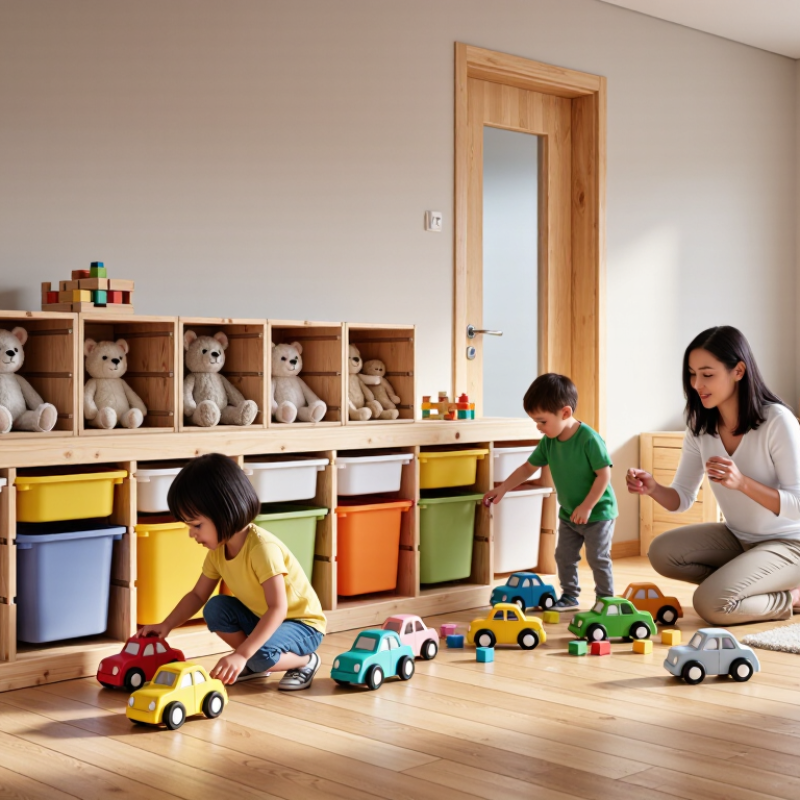
How to teach kids to clean up with a toy storage cabinet starts with a routine children can understand and repeat. A cabinet is more than a place to hide clutter. Low, reachable shelves and picture labels can help a child match each toy to its home. Think wooden blocks in one bin, stuffed animals on a shelf, and a clear path to the cabinet. Small steps matter.

The American Academy of Pediatrics’ clinical report, “The Power of Play,” describes play as important to children’s learning and development. Its lead author, pediatrician Dr. Michael Yogman, writes: “Play is not frivolous: it enhances brain structure and function, and promotes executive function.” That finding offers a useful reason to make tidying part of play, not a punishment after it. A child can sort cars by color, race to return blocks, or choose one category at a time. Keep the task brief. Expect reminders.

A toy cabinet will not create a habit on its own. Adults need to model the routine, give clear directions, and allow time for children to try. Harvard’s Center on the Developing Child likewise explains that self-regulation skills grow through practice and supportive relationships. These reports support a patient approach, not a promise of instant results. Some evenings, the toys will still be scattered. That is worth noticing, too: adjust the cabinet’s layout if bins are hard to reach or labels are confusing. The goal is a practical routine children can gradually manage, with an adult nearby to guide and encourage them.
How to Teach Kids to Clean Up with a Toy Storage Cabinet

Understanding How a Toy Storage Cabinet Supports Cleanup

A toy storage cabinet can make cleanup visible and repeatable. When blocks, dolls, and puzzles each have a clear home, children can match objects to spaces instead of facing one overwhelming pile. Keep frequently used items on low shelves, and use open bins or picture labels. A child can spot the block bin from across the room. That small cue matters: the cabinet turns “clean up” into a set of concrete actions. It does not teach the routine by itself; adults still need to model it and give children time to practice.

Safety belongs in the design, too. The U.S. Consumer Product Safety Commission estimated 231,700 toy-related emergency-department visits involving children under 15 in 2023. This figure does not measure storage-related injuries, but it is a useful reminder to keep play areas orderly and choose stable furniture. Secure a cabinet to the wall, avoid heavy items on high shelves, and leave the floor clear. Start with one category, such as stuffed animals, and add more only when the habit sticks. Some days, it will not. That is normal; a cabinet is a support, not a substitute for patience.

How to Teach Kids to Clean Up with a Toy Storage Cabinet - Understanding How a Toy Storage Cabinet Supports Cleanup

A cabinet can make cleanup easier by giving toys predictable, visible places to go. Use child-accessible storage, simple categories, and a consistent routine; adjust the tasks to the child’s abilities.

Cleanup step How the cabinet helps Simple adult cue Practical setup tip Example time
1. Sort toys by type Separate shelves or bins create consistent homes for items such as blocks, dolls, and cars. “Let’s put the blocks together.” Start with a few broad categories rather than many small ones. 2–3 minutes
2. Put away larger toys Open shelves make larger toys easy to see and return without opening a door. “Find a shelf for the train.” Keep frequently used toys on lower, reachable shelves. 2–4 minutes
3. Collect small pieces A handled bin can gather small pieces before they are placed on a shelf. “Can you put the puzzle pieces in their bin?” Use containers that are easy to lift and not overloaded. 3–5 minutes
4. Check the play area Clear categories make it easier to notice which toys are still out. “Look around—what still needs a home?” Make the check a short shared routine rather than a test. 1–2 minutes
5. Finish together A familiar storage layout helps children repeat the same steps each day. “We’re finished when the floor is clear.” Praise a specific action, such as sorting or returning a toy. 1 minute

Note: Example times are planning estimates, not research-based benchmarks. Supervise young children around cabinets and secure furniture according to the manufacturer’s safety instructions.

Choosing and Organizing Storage for Different Toys

A toy storage cabinet works best when its layout matches the toys your child actually uses. For small building pieces, choose a shallow bin that is easy to lift and not so deep that pieces disappear underneath. Keep larger blocks in a wider, sturdy container. Soft toys can share an open basket, while puzzles and board games fit better on a shelf where their boxes stay upright. Check the cabinet’s weight guidance and secure it as directed, especially if children may pull on shelves or doors.

Make the most-used toys easiest to reach. Put daily favorites on a low shelf, and store occasional craft supplies or tricky-to-sort toys higher up, beyond a young child’s reach when needed. Clear containers can help adults spot what is inside, but simple picture labels may be easier for children who are not reading yet. Try one category per bin, such as cars, dolls, or chunky puzzles. Too many tiny categories can make cleanup feel like a sorting test.

Keep a little empty space. A packed cabinet is harder to use, even when everything technically fits. After a week, notice which toys end up on the floor; the storage plan may need adjusting. I have found that one oversized “miscellaneous” bin feels convenient at first, then becomes a jumble. It happens. Review the contents with your child now and then, and move or remove items that no longer get played with.

Teaching Children to Sort Toys into Clear Categories

Children are more likely to put toys away when each item has a clear home. Use a toy storage cabinet to create simple categories, such as blocks, dolls, art supplies, and puzzles. Keep categories broad enough for young children to remember. A small picture label beside each shelf can help before they can read. Show what belongs where by placing a few toys together. Then let your child try.

Keep everyday toys on lower shelves, where children can reach them safely. Use open bins for pieces that are easy to spot, and avoid filling containers until they are hard to lift. Sorting may get messy at first. That is part of learning. If a toy seems to fit two categories, choose one home and keep it consistent. Check occasionally whether the system still makes sense; children’s interests change, and a once-useful label can become confusing.

Tips: Start with one category at a time. Say, “Let’s find all the toy cars,” and model putting them in their bin. Try a short cleanup before moving to another activity. Praise specific actions, like returning the blocks to the low shelf, rather than expecting a perfect room. Some days, you may need to help more.

Building a Step-by-Step Cleanup Routine

A cleanup routine works best when children know exactly where each toy belongs. Choose a low toy storage cabinet they can reach without climbing. Give each shelf or bin a simple purpose: blocks here, dolls there, books on the bottom shelf. Picture labels help young children who cannot yet read. Keep the system small at first. Too many categories can make cleanup feel like another puzzle.

Begin while the room is still manageable. Give a calm, specific cue, such as, “Let’s put the blocks in their bin.” Then do the first few together, showing how to carry toys and return them gently. One small step at a time. Invite your child to choose the next category, and offer a short, clear prompt rather than a string of instructions. A familiar song or a five-minute timer can make the routine easier to anticipate, though some children find timers stressful.

As the habit develops, gradually step back. Ask, “What goes on this shelf?” instead of putting everything away yourself. Notice effort, not speed: “You matched all the cars to their picture.” Expect uneven progress. A bin may end up mixed, or cleanup may take longer after a busy day; adjust the labels or reduce the number of toys in reach. Consistency matters more than a perfectly tidy cabinet.

Encouraging Independent Cleanup Through Practice and Praise

A toy storage cabinet can turn cleanup into daily practice, not a rushed demand. UNICEF reports that about 80% of brain development happens by age three, when repeated routines strongly shape learning. Keep the cabinet low, open, and easy to understand. Place picture labels on each compartment. Blocks go here. Dolls go there. Show one small action, then let your child try. Independent cleanup grows through repetition. It may look slow at first.

Use specific praise instead of general approval. Say, “You returned the red truck to its shelf,” rather than, “Good job.” The American Academy of Pediatrics explains that play supports executive function, including planning, attention, and self-control. Those skills need practice. A short cleanup song can mark the transition, but avoid turning every moment into a performance. Some children will forget the routine tomorrow. That is normal. Adults often expect too much too soon.

In my experience, the cabinet works best when it holds fewer toys. A crowded shelf quietly defeats independence. Rotate unused items every few weeks, and leave one empty space for unfinished play. Offer a choice: “Cars first or puzzles first?” Praise effort, accuracy, and returning after a mistake. Praise can become clumsy, too. If every action earns approval, children may clean only for attention. Calm recognition helps them notice their own capability. Stop before frustration takes over. Practice is still happening.

FAQS

How can a toy storage cabinet make cleanup easier?

Give blocks, dolls, and puzzles separate homes. Children can match toys to visible shelves instead of facing one large pile.

Where should frequently used toys go?

Place them on low shelves within easy reach. Keep the floor clear, too.

Do picture labels help young children?

Yes. A small picture beside a bin can show where toy cars belong before a child can read.

How many toy categories should I create?

Start with one or two broad categories. Too many choices can make cleanup feel confusing.

What is a simple way to begin a cleanup routine?

Give one clear cue, like, “Put the blocks in their bin.” Do a few together.

Can a song or timer help during cleanup?

A familiar song or short timer may help children anticipate cleanup. Some children find timers stressful, though.

How can I encourage children without expecting a perfect room?

Praise a specific action, such as returning cars to the labeled bin. The room may still look a little messy.

What safety details should I consider?

Secure the cabinet to the wall, keep heavy items low, and avoid bins that are hard to lift. Check the setup as your child grows.

Conclusion

How to teach kids to clean up with a toy storage cabinet begins with making organization simple, visible, and easy to follow. Choose storage spaces that match the types of toys your child owns, such as separate sections for books, building pieces, dolls, vehicles, and art supplies. Use clear categories and, when helpful, simple labels or pictures so children know exactly where each item belongs. A well-organized cabinet can turn cleanup from a confusing task into a predictable part of playtime.

Build a step-by-step routine: stop playing, collect items, sort them by category, place them in the correct section, and check the room together. Demonstrate the process patiently, practice regularly, and begin with small cleanup tasks. Encourage independence by allowing children enough time to complete the routine themselves. Specific praise, such as recognizing careful sorting or successful effort, helps build confidence and makes cleaning up a positive daily habit.

Sienna

Sienna

Sienna is a skilled marketing professional with a deep expertise in our company’s core products and services. With a passion for innovation and detail, she plays a pivotal role in crafting insightful blog posts that not only highlight the unique features of our offerings but also provide valuable......