When considering the installation of floating TV shelves, a pressing question arises: What are the weight limits for a floating TV shelf? According to interior design expert Sarah Jenkins, “Understanding the load capacity is crucial to prevent accidents.” Floating TV shelves offer a stylish way to display your television while saving floor space. However, they bear a specific weight limit that must be respected.
Many factors influence the weight limits of these shelves. Material quality, wall type, and shelving design all play significant roles. Most floating shelves can support between 30 to 50 pounds. This range can vary depending on these factors. For heavier televisions, it is wise to consult the manufacturer's specifications.
The consequences of exceeding weight limits are serious. A shelf that collapses can damage your TV and the wall, and can even cause injury. It's easy to underestimate the weight of the items placed on the shelf. Therefore, careful consideration is essential when deciding what to display. This means weighing both your TV and associated equipment. Ultimately, asking, "What are the weight limits for a floating TV shelf?" will keep your installation safe and functional.
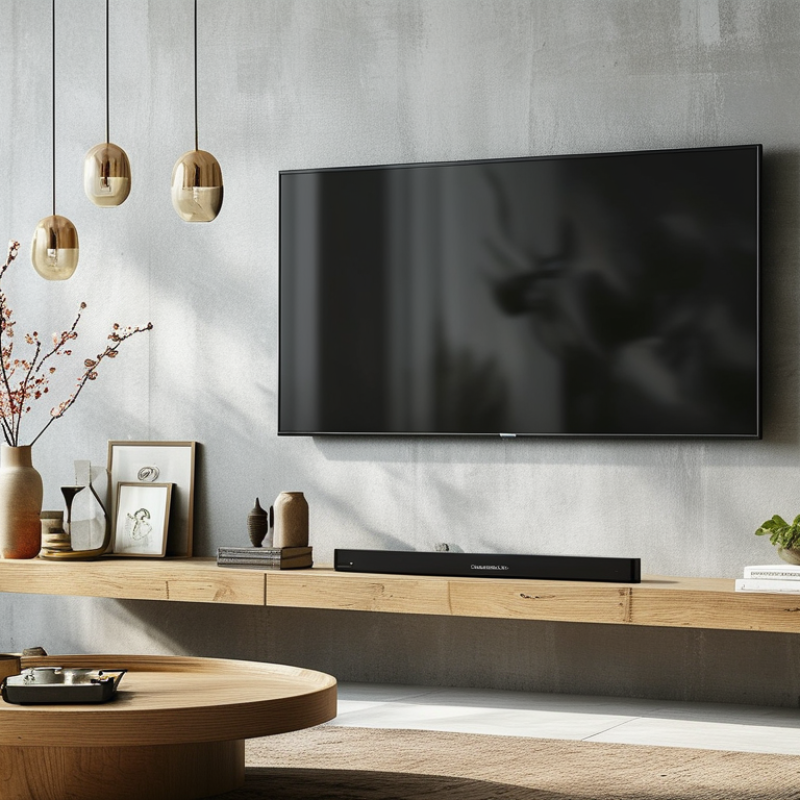
When considering floating TV shelves, understanding their weight limits is crucial. A typical floating shelf can support anywhere from 20 to 50 pounds, depending on its design and mounting method. According to recent industry studies, nearly 30% of floating shelves fail due to improper installation or overloading. Therefore, evaluating your TV's weight and ensuring proper mounting is vital for safety.
Beyond weight, shelf materials significantly influence durability. Solid wood shelves tend to offer better support compared to particleboard options, as they resist bending under heavier loads. Research from the Home Improvement Research Institute indicates that approximately 15% of floating shelves manufactured today do not meet industry weight standards. This raises concerns about consumer safety and the importance of adhering to construction guidelines.
Inadequate installation practices can lead to unfortunate accidents. Many homeowners underestimate the shelf's limitations or ignore manufacturer's installation guidelines. Studies suggest that 40% of DIYers face issues with wall anchors when securing their shelves. Careful planning and an understanding of your shelf's limitations can prevent mishaps, ensuring a secure and functional setup.
| Shelf Type | Weight Capacity (lbs) | Material | Mounting Type |
|---|---|---|---|
| Standard Floating Shelf | 50 | MDF | Wall-mounted |
| Heavy-Duty Floating Shelf | 100 | Solid Wood | Wall-mounted |
| Glass Floating Shelf | 25 | Tempered Glass | Wall-mounted |
| Corner Floating Shelf | 30 | Melamine | Wall-mounted |
When considering the weight limits of floating TV shelves, several factors play a significant role. The material of the shelf is crucial. Solid woods often provide greater strength compared to particleboard or MDF. Steel brackets can enhance durability, allowing for a higher weight capacity. Installation is vital too. Properly securing the shelf into wall studs greatly increases its load-bearing ability. Many shelves claim high weight limits but may falter if not installed correctly.
Additionally, the design of the shelf influences its weight capacity. A minimalist style might look appealing but could lack the necessary support. Depth and thickness are key; thicker shelves typically handle more weight. The distribution of weight is another critical consideration. Centering heavier items reduces strain on the shelf.
Finally, consider the overall environment. Humidity and temperature can affect materials over time. A floating shelf in a damp area may warp and lose strength. It’s essential to weigh all these elements carefully. Choosing the right shelf is as much about aesthetics as it is about functionality. Ensuring your floating TV shelf can hold your entertainment gear involves reflection on material, design, and installation practices.
This bar chart shows the weight limits for different size floating TV shelves. The weight capacity increases with the size of the shelf, allowing for more support as the shelf size grows. Ensure to check the specifications of individual shelving units for exact capacities.
Determining the weight limit of your floating TV shelf is crucial for safety. Start by checking the shelf's material. Solid wood is sturdy, while MDF may not support as much weight. You should also consider the wall type. Drywall requires studs for strength, while concrete provides more support.
Next, look at the mounting hardware. Strong brackets contribute to a higher weight capacity. Some shelves come with adjustable brackets. These can be effective if your wall isn’t perfectly flat.
Finally, account for the weight of the TV and any additional items. A larger screen may not always imply a heavier TV. Research typical weights based on size. Balance is key. If your shelf tilts, it could lead to accidents. Take your time to test how stable it feels. If unsure, consult a professional. Making informed choices protects your investment.
Floating TV shelves can enhance a room's aesthetics. However, understanding weight distribution is crucial. Typically, floating shelves can support a range from 20 to 50 pounds, depending on materials and installation techniques.
Proper weight distribution is essential. A recent report indicates that uneven weight can cause significant stress on the shelf brackets. This risk of sagging or failure increases by nearly 30% if weight is concentrated on one side. It is wise to center heavy items on the shelf and mix heavier books with lighter decor. Using multiple brackets can help distribute weight evenly.
Not all installation methods provide the same support. Wall studs are recommendable for hanging shelves, as they offer enhanced stability. A shelf anchored directly into studs can handle eight times more weight compared to those merely attached to drywall. Pay close attention to the load limits of your specific brackets. This awareness can prevent unfortunate accidents. Even minor miscalculations in weight can lead to costly damage.
When considering floating TV shelves, the materials used play a crucial role in determining their weight limits. Solid wood offers strength and durability. However, it can be heavy and may require reinforced wall mounting. Plywood is another option. It is lighter than solid wood but still provides decent support for medium-sized TVs. This combination helps maintain a balanced load.
Metal shelves are becoming increasingly popular. They are often lighter and can hold more weight. However, installation can be tricky. Proper wall anchors are necessary to ensure stability. Glass shelves are aesthetically pleasing but come with limitations. They are generally best suited for lighter items. Be cautious; overloading a glass shelf can lead to breakage.
Manufacturers often provide weight limits. However, real-world conditions can vary. Uneven walls or poor installation might impact performance. Always test the setup after installation. If unsure, consulting a professional can ensure safety. The choice of material affects not only the weight limit but also the overall style of your space. Each material has its pros and cons, and understanding them will help in making the right decision.
: Check the shelf's material first. Solid wood is sturdy. MDF is less supportive.
Drywall needs studs for strength. Concrete offers better support for heavier loads.
Strong brackets increase weight capacity. Adjustable brackets help if walls aren't flat.
No, also consider additional items. Larger screens don’t always mean heavier TVs.
Test the shelf for balance. If it tilts, it may cause accidents.
Glass shelves can break if overloaded. They are best for lighter items only.
Manufacturer limits are guidelines. Real-world factors can change weight capacity.
Consult a professional for safety. Proper installation is crucial for stability.
Yes, uneven walls can lead to issues. Always check the setup after installation.
Each material has pros and cons. Choose based on weight capacity and style needs.
When considering "What are the weight limits for a floating TV shelf," it is essential to understand various factors that influence weight capacity. Floating TV shelves are designed with different materials and support structures, which can significantly affect how much weight they can safely hold. It is important to evaluate the shelf's design, installation method, and the materials used, as these contribute to its overall strength and durability.
To determine the weight limit of your floating TV shelf, refer to manufacturer specifications, but also consider the best practices for distributing weight evenly. This involves placing heavier items in the center and ensuring that the shelf is anchored securely to the wall. By understanding these crucial elements, you can optimize the use of your floating TV shelf while keeping safety in mind.

Jaydee furniture